
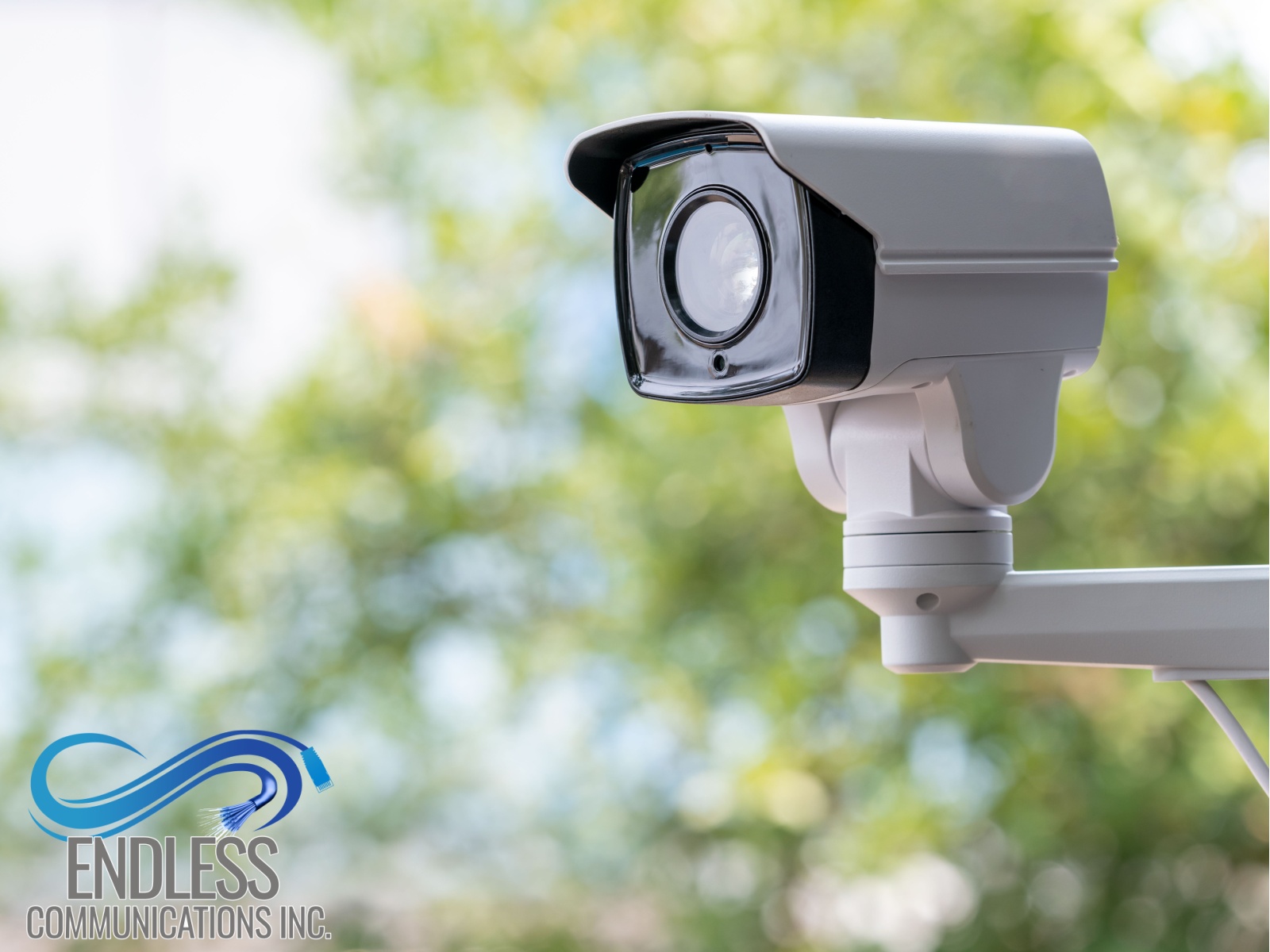
Construction sites in Hemet carry a unique mix of risk. Materials may sit outside overnight, equipment can move between crews, and unfinished structures often have open access points. When no one is on-site, even a short break-in can lead to stolen tools, damaged wiring, delayed inspections, and costly replacements. That is why many contractors, builders, and property owners look at camera systems before a project reaches its busiest stage.
Temporary camera systems give crews a practical way to monitor activity without waiting for permanent infrastructure to be finished. They can support jobsite security, help document incidents, and give project managers better visibility when they cannot be physically present. For construction sites, the goal is not only to record what happened. The greater value lies in reducing risk before small problems turn into schedule delays.
Why Construction Sites Need Temporary Visibility
A construction site changes almost every day. Fencing may be moved, materials may be delivered early, and subcontractors may access different areas at different times. That constant movement makes traditional security planning harder. A fixed system designed for a completed building may not make sense when walls, power, and network pathways are still being installed.
Temporary camera systems can be placed around entry points, material storage areas, trailers, parking zones, and high-value equipment. On larger sites, cameras may also support progress checks, safety reviews, and after-hours monitoring. Contractors working near busy roads, commercial corridors, or open lots in Hemet may benefit from early planning around temporary construction site camera systems before materials and equipment begin arriving.
These systems are especially useful when projects include copper wiring, lumber, HVAC equipment, electrical panels, fuel, vehicles, or specialized tools. Theft is not the only concern. Vandalism, trespassing, illegal dumping, and unauthorized access can also create liability and cleanup costs.
Temporary Cameras Versus Permanent Systems

Temporary and permanent camera systems serve different roles. Permanent systems are designed for long-term use after a building is finished. They often connect to structured cabling, network rooms, access-control systems, and ongoing facility operations.
Temporary systems are designed around flexibility. They may need to move as the project moves. A camera that protects a material drop zone in week one may need to monitor a finished entrance by week eight. Some sites also require wireless options, solar-assisted power, mobile monitoring trailers, or cameras connected through temporary networking equipment.
The best choice depends on the site. A small tenant improvement project may only need a few strategic cameras. A larger construction site may require a staged plan with cameras added, moved, or upgraded as the job progresses. Businesses planning both temporary and permanent coverage can benefit from coordinating structured cabling for camera systems early, so the final installation does not conflict with short-term site protection.
Where Cameras Should Be Placed On A Jobsite
Camera placement should start with real job-site behavior, not guesswork. The most useful views are usually tied to access, storage, and movement. Entry gates, temporary offices, dumpsters, storage containers, staging areas, and equipment zones are common priorities.
A good layout also considers lighting, blind spots, line of sight, weather exposure, and mounting height. Cameras placed too low may be easier to tamper with. Cameras placed too far away may miss useful details, such as faces, license plates, or vehicle markings. In some cases, cameras need wider views for awareness and tighter views for identification.
Hemet construction sites can also face bright daytime sun, dust, wind, and low-light conditions after crews leave. Camera selection should account for glare, night visibility, heat exposure, and the type of recording needed. A basic camera may be enough for general awareness, while higher-resolution options may be needed near gates or high-value storage areas.
What Temporary Camera Systems Can Help Prevent
A well-planned camera setup can help reduce preventable losses. Stolen materials can cost thousands of dollars, but the hidden costs may be worse. A missing panel, damaged gate, or stolen wiring can delay inspections, reschedule subcontractors, and push back deadlines.
Cameras can also discourage people from entering restricted areas. Trespassing can create safety risks, especially around open trenches, exposed framing, electrical work, scaffolding, and heavy equipment. If an incident does happen, recorded footage can help clarify what occurred and support insurance, police reports, or internal documentation.
Temporary monitoring may also improve accountability. When multiple trades are working on the same site, video records can help project teams understand delivery timing, access issues, property damage, or recurring after-hours activity.
What A Professional Installation Should Include
Professional camera planning should include more than mounting equipment. A contractor should evaluate the site layout, expected project phases, power availability, network access, and recording needs. They should also review where cameras can be placed without interfering with construction work or creating unnecessary maintenance issues.
For many sites, the installation may involve temporary poles, building-mounted cameras, wireless bridges, network equipment, weather-rated cabling, secure enclosures, and remote viewing setup. Camera systems may also need to connect with alarm, gate, or access-control planning when a project has multiple entry points. For commercial sites, coordination with low-voltage infrastructure for commercial projects can reduce rework and help the temporary system support the final site plan.
Clear communication matters. The project manager should understand how footage is stored, who can view it, how long recordings are kept, and what happens if a camera loses power or connection. A professional setup should also include testing, angle adjustment, and a plan for relocating cameras as the site changes.
Cost Factors For Temporary Camera Systems
Temporary construction camera costs vary because each job site is different. Smaller setups may involve a few cameras and basic recording. Larger sites may require multiple coverage zones, remote access, wireless networking, monitoring options, and periodic adjustments.
Common cost factors include the number of cameras, resolution, night-vision needs, mounting method, power source, internet availability, recording storage, site size, and how often the system needs to be moved. A short-term project may have different needs than a multi-phase build that runs for months.
The cost of not having coverage can be much higher. One theft event can involve replacement materials, labor downtime, insurance claims, missed deadlines, and frustration with subcontractor scheduling. For many Hemet projects, temporary camera systems are a practical risk-control measure rather than an optional add-on.
When To Install Cameras During A Project
The best time to install cameras is before the site becomes vulnerable. Waiting until after theft, vandalism, or trespassing has already happened puts the project in reaction mode. Ideally, planning begins before major material deliveries or equipment staging.
Early installation is especially helpful when fencing is already in place, trailers are being set, or utility work is about to begin. It also gives the contractor time to test coverage and adjust camera views before the site gets busier. If a project is already underway, cameras can still be added quickly in many cases, especially when the site has clear mounting locations and available power or network options.
Hiring Triggers That Should Not Be Ignored
Some signs point to a stronger need for professional camera support. If the site has repeated deliveries, high-value equipment, limited lighting, open access from nearby roads, or previous security concerns, temporary cameras should be considered early. The same is true for projects with copper, electrical equipment, mechanical systems, or materials that cannot easily be replaced on short notice.
A professional installer can also help when the site has poor connectivity, no finished power, multiple blind spots, or changing access routes. These conditions can make off-the-shelf solutions unreliable. Contractors in Hemet who need jobsite coverage may also want commercial security camera installation that can transition from temporary protection to permanent facility monitoring.
A Smarter Way To Protect The Build
Temporary camera systems help construction teams protect more than equipment. They protect time, budgets, documentation, and peace of mind. When cameras are installed with a clear plan, they can help crews stay aware of after-hours activity, reduce preventable losses, and respond faster when something looks wrong.
Endless Communications, Inc. provides structured cabling and telecommunications infrastructure support for commercial environments, including camera system planning for jobsite and facility needs. If your Hemet construction site needs temporary camera systems that are planned around real access points, site conditions, and project phases, contact Endless Communications, Inc. at (425) 390-5870.
Frequently Asked Questions
How do temporary camera systems help protect construction sites?
Temporary camera systems help monitor entry points, storage areas, equipment zones, and after-hours activity. They can discourage theft, document incidents, and give project managers better visibility when crews are not on-site.
When should cameras be installed on a construction site?
Cameras should be installed before major materials, tools, or equipment arrive. Early installation helps reduce risk before the site becomes a target and gives the installer time to adjust camera angles as the project develops.
Can temporary cameras be moved during the project?
Yes. Temporary camera systems can often be adjusted or relocated as site conditions change. This is helpful when access points, material storage areas, fencing, or work zones shift during different project phases.
Do construction camera systems need internet access?
Some camera systems need internet access for remote viewing, alerts, or cloud-based features. Other setups may use local recording. The right option depends on the site layout, power availability, monitoring needs, and project timeline.


